At Globaldev, we’ve seen these patterns repeat across industries — and we’ve also seen how the right processes, mindset, and people can turn potential failures into success stories. In this article, we’ll take a closer look at the most common challenges in software development and share practical ways to anticipate, manage, and overcome them.
What are the most common challenges in software development, and how to avoid them
No matter how big or small your project is, there is always a possibility of failure. The primary purpose of this checklist is not to ruin your confidence about your path, but to encourage you to never give up on looking for the best way out of the most awkward and unpredictable situations.
1. Scope estimation
Let’s take a closer look at one of the most widespread challenges in software projects: scope estimation. When estimating large, complex tasks, it can be tough to calculate the time and resources required perfectly. In software development, correct and adequate estimation of the scope of work is a fundamental condition that demands the use of project management tools and methods.
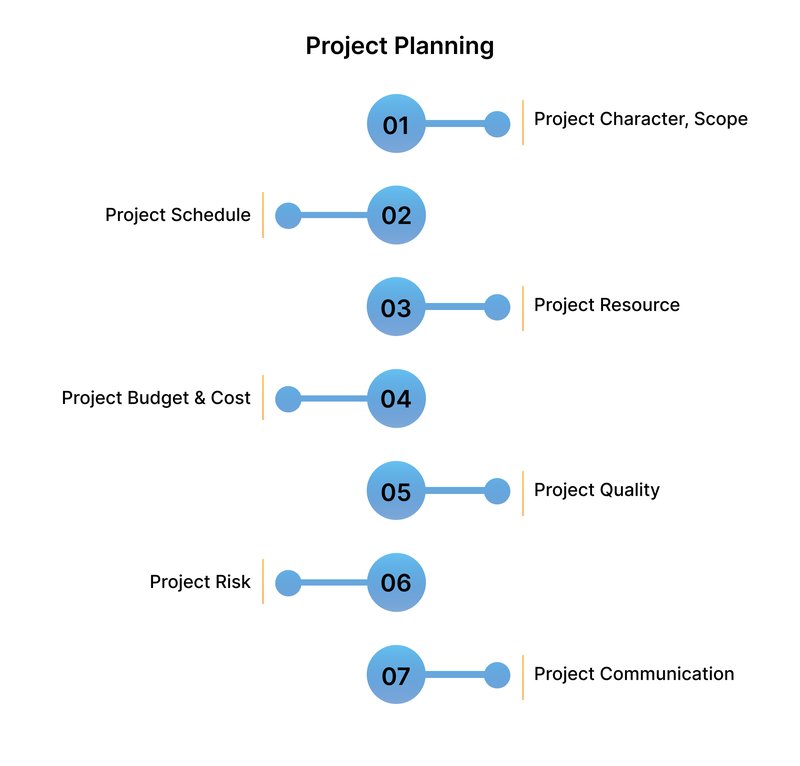
This step is all about teamwork and smart project planning. A lack of leadership qualities or effective management skills is one of the first and most critical mistakes a project manager can make. The planning stage of any software project is essential for defining the technology stack and identifying which IT experts to involve. It also shows how well the team understands the client’s needs and expectations for the final product.
At the same time, this stage can be a psychological challenge, because, as we all know, everybody lies. People can intentionally or unintentionally withhold the truth that can later be game-changing. That’s why smart project scope estimation requires asking plenty of questions and getting clear, verifiable answers. It also demands a realistic vision of how the product will integrate once it’s ready for release.
2. Competition
Intense competition in today’s software development market is another major challenge. The IT industry is expanding, and brilliant experts enter the sector constantly. And it’s obvious that this growth will continue in the coming years. In many ways, the market resembles a stampede — countless newcomers are entering the field, often with limited expertise, but significant resources to invest. Yet, unlike a gold rush, IT thrives on diversity of thought and creativity. It also removes traditional barriers, allowing professionals to work from virtually anywhere.
To stay competitive, many companies now seek specialists who may not have deep technical backgrounds, but bring valuable expertise in areas like macro- and microeconomics, psychology, statistics, and other analytical fields. In today’s environment, knowing how to code or design is no longer enough, and success comes from combining technical skill with broader business and human insight.
3. User requirements
User demands in the IT industry are among the most unpredictable factors. If keeping up with technology trends already feels difficult, constantly shifting user requirements are an even greater obstacle in software development. Every change on the user side often triggers changes in the codebase, and sometimes even in the whole project concept. The more modifications made to existing code, the higher the risk of introducing errors or hidden issues.
It’s also vital to consider the client’s expectations as much as the needs of the end users. You need to toe the line between delivering what the client wants, but defending choices and negotiating functionality on behalf of users to make sure that the solution has a chance to succeed.
Unfortunately, development teams may often lack a clear understanding of who they’re actually building for, because it frequently requires industry-specific expertise. They may focus too narrowly on stakeholder requests or overlook valuable data about the real users. When this happens, the resulting product concept can miss the mark.
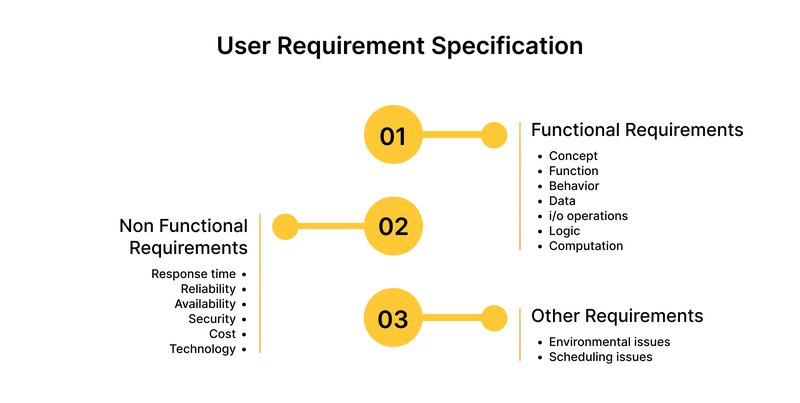
Avoiding such mistakes requires patient, detailed research, comparison, and analysis. More importantly, teams should stop viewing a changing environment as an obstacle and instead treat it as an opportunity to evolve. In software development, flexibility and adaptability are the foundation for long-term success.
4. Technology stack
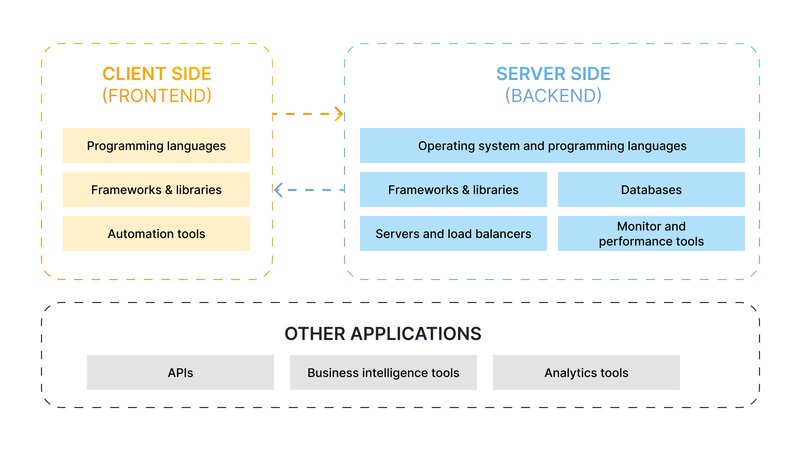
Once the project plan is greenlit by decision-makers, one of the challenges that follows is choosing and assembling the right technology stack. It’s rarely as simple as picking a few frameworks and assigning a team. The stack must reflect not only the project’s technical goals, but also the company’s long-term strategy, available expertise, maintenance capacity, and integration needs.
In reality, even experienced teams do not always have all the skills needed for a particular stack. Senior developers may be spread thin across a few projects, whereas internal specialists may have extensive knowledge in one area but little exposure to others. This is why early technical discovery and architecture discussions are crucial to understand what’s feasible in-house and what would require external help. And if you determine that you do need help from outside, don’t worry that you will need to spend ages vetting freelancers. Software development agencies in their majority usually offer software development team extension (aka outstaffing) that can include just one or two experts you may lack.
5. Adapting to innovations
Besides qualified staff to work on the project, the software services provider must also think carefully about technical challenges in software development. The biggest problem usually comes with adapting the latest market trends to older legacy systems. For a skilled team of developers, working with innovative programming tools is a chance to practice something new and untried, and build unique products.
However, older legacy systems and interfaces that become redundant may slow down the entire project, as the team will be constantly enhancing, maintaining, and patching them instead of progressing.
It may seem strange and surprising that many companies still rely on legacy systems, given the potential revenue that modernization can bring. Yet, the reality is more complex, as these systems often represent years of investment and are deeply intertwined with critical business processes. That’s why stakeholders are understandably cautious about replacing them.
With this kind of challenge in software development projects, project managers must investigate all pros and cons of gradual but complete switching to the modern systems, and convey all the benefits to the stakeholders in a value-focused, but still realistic way.
Closing thoughts
Software development will always come with uncertainty. Changing requirements, shifting technologies, and competitive pressures are all part of the job. What separates successful teams from struggling ones is how they choose to respond to them.
The projects that thrive are those built on transparency, critical thinking, and adaptability. When managers ask the right questions early, teams collaborate across disciplines, and stakeholders stay open to evolution, even the most demanding initiatives can stay on track.
In the end, don’t be too discouraged if your project encounters any of the challenges we discussed. These are common, but fixable. With the right planning and team, obstacles can be looked at as opportunities to rethink and evolve.
But if you’re looking for expert engineers who have gone through a fair share of everything and can turn the project around on its success track, check out Globaldev’s portfolio.
Our team extension service connects companies with experienced professionals who integrate into existing teams without disrupting workflows, while our engineering service supports end-to-end product development, from architecture and coding to modernization and maintenance.