How to develop a fitness app. Complete guide from the top fitness app development company

What is the fitness app market like in 2025
With fitness trends rising and an increasingly health-conscious society, fitness apps have taken over the market – no surprise. According to Goodfirm’s poll, a little over 50% of respondents prefer home workouts. From yoga teachers to kickboxing coaches, fitness apps offer the perfect solution so exercisers of all kinds can track their fitness routine from the comfort of home or wherever their travels take them.
With step-by-step videos, motivation, and real-time feedback, fitness app developers are finding new ways to keep users engaged and motivated and help them easily meet their fitness goals.
From fitness tracking to food diaries and health monitoring programs, the fitness app market has transformed from a fledgling idea to one of the most profitable industries in an instant. With more and more people adopting this fitness technology into their lives, it’s no surprise that this industry is going nowhere but up. The market was estimated at $6,86 billion in 2025, and is expected to reach over $22 billion by 2035.
Wellness trends for digital fitness products
Fitness apps aren’t just about logging steps or counting calories anymore. The whole wellness market is shifting, and digital fitness products are turning into personal coaches, nutritionists, and even entertainers. If you’re thinking about building a fitness app, here are the trends shaping what users expect today.
AI that knows you better than you know yourself
AI has become the secret sauce behind some of the most successful fitness apps. And it’s not only hype, the global AI in fitness and wellness market is set to expand from $9.8 billion in 2024 to $46.1 billion by the year 2034.
Why? Because people want workouts that feel like they were designed just for them. AI makes that possible by:
- Crafting personalized workout plans that adjust to your progress
- Offering real-time form corrections so users don’t risk injury
- Shifting routines based on feedback and performance data
- Even suggesting meal plans that match fitness goals
In other words, aside from helping people train, AI can also help them stick with it. And for app creators, it’s a technology you can’t ignore.
Wearables: The must-have companion
Chances are, if someone’s downloading a fitness app, they’re also strapping on a smartwatch or tracker. That connection is powerful. It allows apps to:
- Track health stats in real time, from heart rate to sleep quality
- Keep data synced across platforms, so users don’t lose progress
- Boost engagement and retention
So if you’re building a fitness product, think of wearables as your app’s best friend.
Self-care and mindfulness
Self-care is more than diet trends – it’s about being mindful of your body, mind, and soul. Taking the time out to care for ourselves has become an essential part of many people’s everyday routines, and fitness apps help stay on track and motivated.
More social features
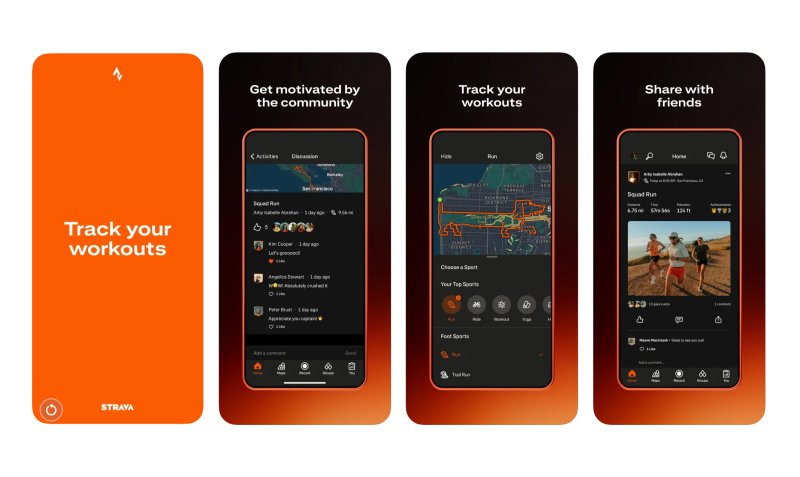
Finally, we expect a greater emphasis on social features within apps in the future years. This could include things such as friend tracking (so you can see how your friends are doing with their workouts), leaderboards (so you know where you stand among other users), or even virtual reality components (to make exercise feel less like work).
Source: Apple Store
All these elements would help create a fun and engaging user experience that encourages them to return for more.
Considering these new fitness trends and a booming app development industry, there are still enough opportunities and niches for promising and profitable products. So, if you have long dreamed about starting your fitness app, it’s time to get it rolling.
How to develop a fitness app that stands out from the rest
Creating a fitness app that captures attention doesn’t have to be complicated. The key is focusing on quality, uniqueness, and meeting your users’ needs. Here are the main steps to build a fitness app that truly stands out:
- Address the needs and pain points of your target audience
- Load the app with one-of-a-kind features
- Offer a smooth and highly intuitive user experience
- Add tips, motivation, and personalized guidance
We’ll now go through each step in detail so you can see how to turn your fitness app idea into a standout product.
Address the needs and pain points of your target audience
Before coding so much as one line, take some time to address the needs and pain points of the people using it. Identify what fitness goals everyone has, what diet issues need to be handled, and precisely how users will track results.
Load the app with one-of-a-kind features
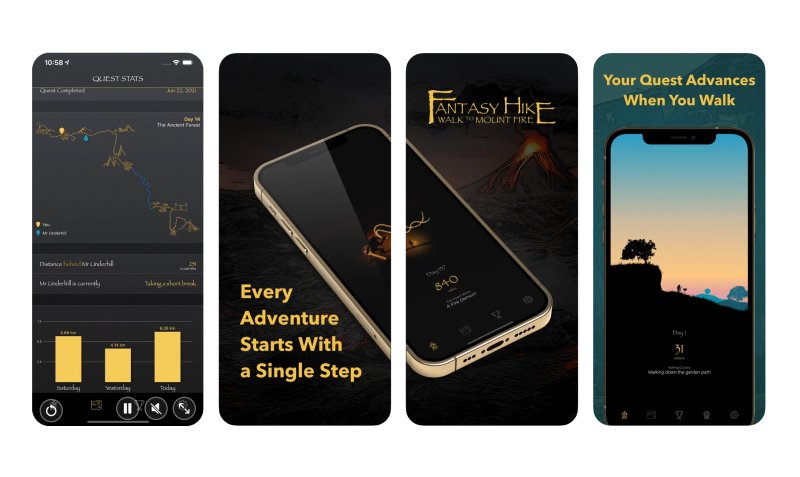
Offer features that aren’t found in other fitness apps, so users will not only download your fitness app but also keep coming back.
Source: Apple Store
Offer a smooth and highly intuitive user experience
Design an interface that’s intuitive and easy to navigate, with eye-catching visuals that draw your users in and keep them coming back for more.
Add some tips and motivation
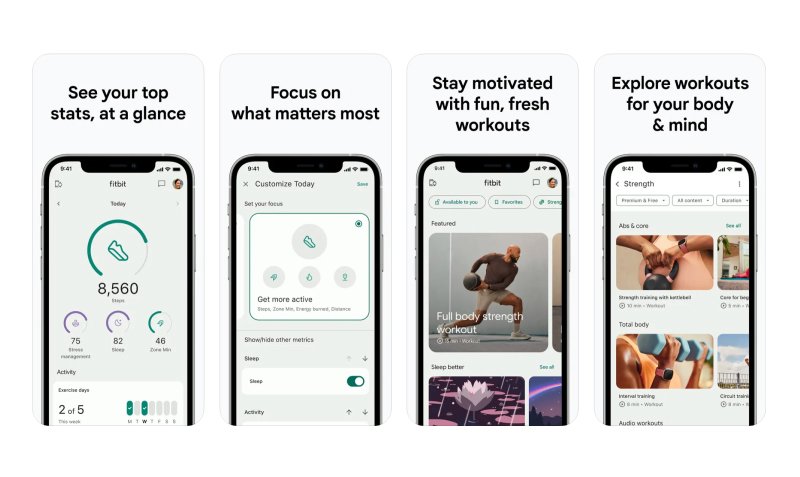
You could even get creative with fitness tips or daily workout challenges – anything to make sure it’s worth working up a sweat.
Source: App Store
Focus on adding features that allow users to track their fitness goals and make suggestions tailored to individual fitness levels.
Top-notch well-being software example
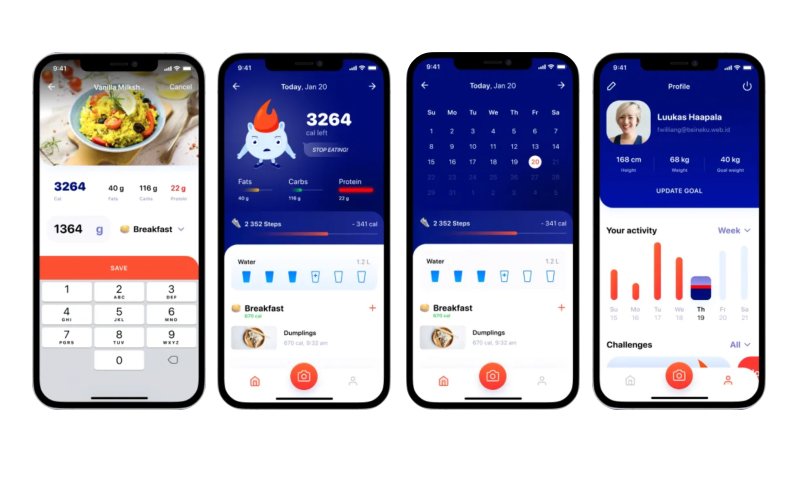
Business leaders must be inspired by the best-of-breed app examples before starting the development. This approach allows us to evaluate a market and create software that unifies well-known applications’ best features. Some time ago, our team designed an innovative app, Keto, and we want to share the details with you.
How it works
Keto is a meal-tracking app that eases keeping to a healthy diet via auto-logging of daily food and liquid intakes. The app can count the calories taken/ burnt and more to help you care for your body. The core features are: Auto Food Logging, Water Intake Tracker, External Trackers Support, and many more.
What features should be included in a fitness app?
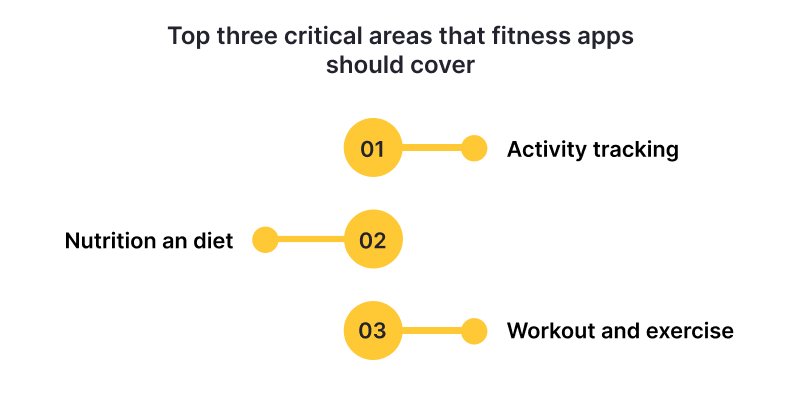
The top three critical areas that fitness apps should cover:
- Activity tracking
- Nutrition and diet
- Workout and exercise
User profiles
One of the most critical features of any fitness app is the ability for users to create profiles. This allows users to track their progress over time and gives them access to all their customized settings, preferences, and data. Additionally, having user profiles sets up other valuable features, such as social media sharing.
Workout catalog
Every good fitness app includes an extensive workout catalog with options for beginner and advanced-level workouts. This allows users of all levels to find something challenging and satisfying. Plus, it keeps people from getting bored with their routine by giving them many new exercises and ideas to try out.
Maps with routes and geolocation
For those who like running or walking outside, maps with routes and geolocation are essential. They give users an idea of how far they traveled during their workout and provide safety precautions, such as tracking where the user is located in an emergency.
Meal plans and calorie tracking
Keeping track of your diet is as essential when working out as exercising. Having meal plans and calorie tracking integrated into the app will keep users on top of their nutrition goals while allowing them to enjoy delicious meals.
Integration of a music streaming service
We all know that listening to music can help boost motivation during workouts. Any good fitness app must integrate with popular streaming services such as YouTube Music, Spotify, or Apple Music.
Connect to wearables
Wearables have become increasingly popular over the years due to their convenience factor – why carry different devices when you can just wear one on your wrist? As such, having support for wearables built in is an essential feature for any decent fitness app today.
Add some social
Last but not least, having social media sharing capabilities integrated into your fitness app can be incredibly beneficial in more ways than one. Not only does it allow users to share their successes with others (and get positive reinforcement in return), but it also serves as free advertising for your business.
How to develop fitness app: Five key stages?
The development journey can be broken down into five essential stages:
- Research and product discovery
- Prototyping the idea
- Coding and building an MVP
- Testing and quality assurance
- Maintenance and ongoing support
We’ll now go through each of these stages in detail to show how a fitness app progresses from concept to a fully functional product.
Step 1. Research the idea or product discovery
It’s a step when you need to discuss your fitness app idea with your development team, research the market, and study your key competitors. At this stage, you describe the general idea of what you want to make with your fitness app. During discussions, the team gets all the necessary information, and based on the outcomes, the team starts building the roadmap and estimates how much it will cost to develop a fitness app.
Step 2. Prototype your idea
Prototypes are used to visually represent the flow and structure of the app. They can help you show the arrangements of menus, buttons, and fields. Some prototypes can be clickable and help you check even the logic of your app and simulate user interactions.
Also, you can even test your prototypes with real users and make changes if necessary. Prototypes don’t require large-scale work, so making changes at this stage will be cheaper.
Step 3. Code
We recommend starting your app journey with a minimum viable product (MVP). There are a range of advantages to building an MVP. So, it’s faster to make and requires less effort for development. Thus, you can save time and money and test your idea with an MVP first.
It’s a workable representation of your app with all the necessary features and functions. So, it allows you to see how people use your product and what they want to improve. To add more, pitching your app idea to angel investors or venture capitalists will be easier with an MVP.
At Globaldev, we apply the best project management practices. A dedicated product manager oversees all the tech processes and streamlines the communication between the client and the team. We build software iteratively, which makes it easier to adjust and implement changes at any stage of development.
Step 4. Testing
When the last line of code is typed, quality assurance engineers knuckle under to deliver a bug-free user experience. At this stage, we perform code reviews and refactoring for your app’s fast and stable work.
Step 5. Maintenance
After the launch, your software development team provides the necessary support and maintenance of the product. This helps ensure the smooth running of the app on different platforms and devices.
Closing thoughts
The fitness app market is growing fast, but success depends on more than following trends. Users expect apps that are reliable, engaging, and built around their real needs. Getting there requires a clear strategy and a team that knows how to deliver.
Globaldev works with startups and established companies to design and build apps from the ground up, as well as support existing teams with extra development power. Whether you need end-to-end engineering or a team extension to move faster, we can help turn your concept into a product people actually want to use.