
One of the most important parts of this process is the design phase. This is where the team takes everything gathered during the planning and requirements stage, like business goals, user needs, technical constraints, and starts shaping a real solution. It’s the moment where we turn concepts into concrete plans.
In this guide, we’ll break down what happens during the SDLC design phase, who’s involved, and why it sets the foundation for everything that comes next.
What is the design phase in SDLC?
In SDLC, the design phase is a stage where software developers define the technical details of the product. Depending on the project, these details can include screen designs, databases, sketches, system interfaces, and prototypes.
Clients use these details to make final product design choices. For convenience, all details are compiled in a Software Requirement Specification (SRS) document. The SRS has requirements, standards, and expectations for the future product that the client approves before any development can start.
Think of it this way:
If you had to build a ship, you have the vision of the final product.
But shipbuilders need more than a vision. They need a detailed plan to build the whole thing and make it float on water. The design phase would be that plan with much-needed technical details to guide the builders.
What is the importance of design phase in software development?
Let’s continue with the ship example.
If shipbuilders only had your vision to base their design on, chances are high the result wouldn’t match your expectations.
Same with software development. For the final product to match your vision, you need to have your requirements described and checked. That’s the purpose of the design phase in SDLC: create a document where requirements are turned into design specifications.
Once you as a client approve the SRS, developers begin to write the code turning specifications into a tangible product.
What is achieved at the design phase?
As you might expect, the road to creating detailed product specifications is no walk in the park. But no worries. That’s exactly how this process is supposed to be.
Besides, you won’t be doing anything alone if you hire a software vendor. There will be a project manager, business analysts, and software developers helping you out (we’ll talk about their roles in the next section).
The key activities of the design phase in SDLC include User Interface (UI) design review, technical design creation, and quality verification and validation. Let’s talk about them in more detail.
First, UI design review
The main goal here is to create visual representations of the future product to perfect its future appearance. That’s where a UI/UX designer steps in — they use the project’s storyboards to make end user interfaces.
Project storyboards are a result of the decisions made by the entire team. A storyboard for an app can look something like this.
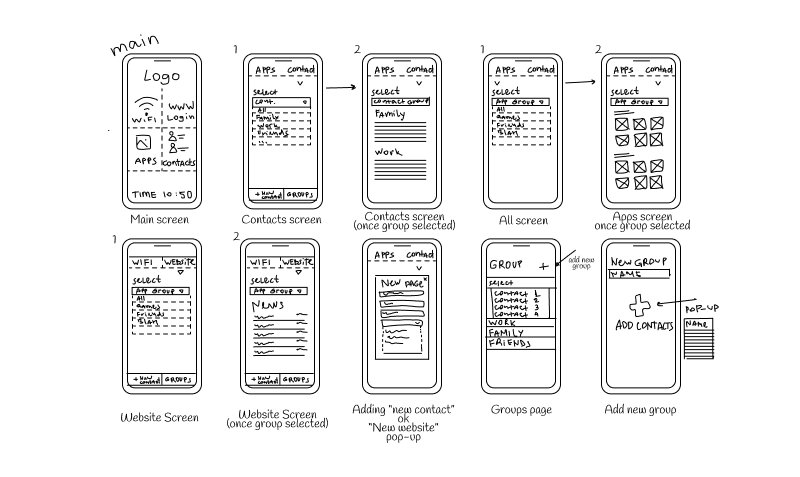
Once the design is done, they hand the visuals over to the project manager.
The project manager reviews the visuals to ensure they meet the client’s requirements and user needs. If there’s something that doesn’t meet the criteria, the manager will request to make appropriate corrections.
Second key activity: Technical design creation
This time, we’re focusing on the technical aspects of the future product. The goal here is to decide how to implement the design with technical means.
Technical architect, DevOps engineer, or another technical specialist joins the designer to complete this key activity in the design phase of SDLC. They compile the following in one document:
- Coding standards. They are required to ensure the same code quality and consistency, especially when multiple programmers are involved.
- List of project tasks. Having them makes task allocation easier for the project manager once the project is up and running.
- Approximate project timelines. Each task gets a realistic timeline estimation to help everyone coordinate their effort, e.g. the design of prototypes will make six days.
The third activity: Quality verification and validation
This is where quality assurance (QA) specialists, software developers verify and approve that the design meets the needs of the client. They run numerous tests to detect issues like bugs or design inconsistencies.
The final designs are then given to the project manager for approval. If the manager gives a green light, the team can move on to the next project phase: development.
Design phase: Roles & responsibilities
We’ve mentioned several people so far, including a designer, a business analyst, and a client. Let’s learn more about what roles and responsibilities they play in the design phase of software development.
- Client. Provides business-related information, reviews materials prepared by the team, and approves project milestones.
- UX designer. Ensures that the user’s interaction with the product is logical by creating user-centered product interface designs
- Project manager/product owner. Leads the project and makes decisions to ensure a successful outcome (project organization, task allocation, budget planning, progress monitoring, and others).
- Business analyst. Creates product requirements for UX designers and reviews the designs they make
- Software developer. Helps clients translate their requirements into product features, create an original code for the product
- Quality assurance specialist. Involved in analyzing requirements and testing product designs to ensure a lack of performance issues.
Summary
The design phase is an indispensable first step towards creating the digital product you want. It’s a period when the team transforms assumptions and ideas into complete and detailed product specifications. Simply put, this is where the real work starts.
Having professional support from a project manager, UX designer, business analyst, and other stakeholders is key to creating a quality infrastructure that can be used to make a great product. Contact Globaldev Group — we’re pros at creating high-quality software products.